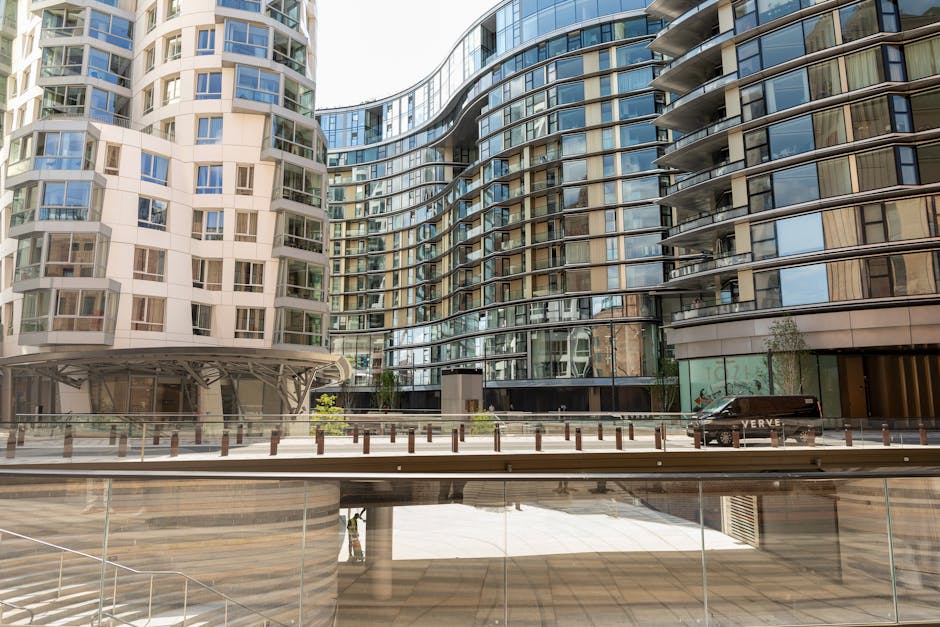
Paddington Basin Removals: Canal-side Access Solutions
Moving in and around Paddington Basin looks simple on a map. In real life, though, canal-side paths, limited vehicle space, pedestrian traffic, loading restrictions, and awkward building access can turn a standard move into a bit of a puzzle. That is exactly where Paddington Basin Removals: Canal-side Access Solutions matters. It is not just about carrying boxes from one place to another. It is about planning the route, managing timing, protecting the property, and making sure your move fits the site rather than fighting it.
Whether you are shifting a flat, relocating an office, or arranging a furniture collection beside the water, the challenge is usually the same: how do you move efficiently without blocking the basin, upsetting neighbours, or risking damage? In this guide, we will walk through how canal-side removals work, what makes them different, the practical benefits, and the mistakes that catch people out. A calm plan goes a long way here. Honestly, a very long way.
Table of Contents
- Why canal-side removals in Paddington Basin matter
- How the access solution works in practice
- Key benefits and practical advantages
- Who this is for and when it makes sense
- Step-by-step guidance
- Expert tips for better results
- Common mistakes to avoid
- Tools, resources and recommendations
- Law, compliance, standards, or best practice
- Options, methods, or comparison table
- Case study or real-world example
- Practical checklist
- Conclusion
- Frequently asked questions
Why Paddington Basin Removals: Canal-side Access Solutions Matters
Paddington Basin is a distinctive part of London. That charm is part of the appeal, but it also creates movement problems that do not show up in a standard residential street move. Canal-side developments often have narrow access points, shared entrances, delivery windows, limited stopping space, and a steady flow of pedestrians, cyclists, and residents. If your mover does not understand these conditions, the day can get messy quickly.
Canal-side access solutions matter because they reduce friction. That means fewer delays, less risk of blocking entrances, safer lifting routes, and fewer awkward last-minute decisions. It also means the move can be structured around the building and the basin rather than treated like an ordinary suburban address. Different environment, different game.
There is also the simple truth that water-side locations can be unforgiving. Paths may be uneven, weather can make surfaces slick, and noise travels. A box dropped on a towpath sounds louder than it does in a warehouse, and everyone notices. Good access planning keeps the move respectful of the setting, which is useful whether you are moving into a new apartment, collecting furniture, or relocating a small business from a waterside office.
If you are comparing moving options more broadly, it can help to understand the kinds of services available. The site's removals page gives a wider sense of standard moving support, while man and van services can suit smaller, more flexible jobs where site access is tight but the load is manageable.
How Paddington Basin Removals: Canal-side Access Solutions Works
At a practical level, canal-side access solutions are about matching the moving method to the location. In Paddington Basin, that usually starts with a site assessment, even if it is only a quick phone discussion and some photos. A good mover will want to understand the entrance, parking options, lift access, floor level, path width, and whether the address sits directly beside the basin or just within a nearby block of flats or offices.
The next step is route planning. This is where the details matter. Can the vehicle stop close enough for safe loading? Is there a loading bay? Is access via a concierge point, a service entrance, or a shared courtyard? Can bulky items turn through the doorway and into the lift? Those are not glamorous questions, but they decide whether a move feels smooth or chaotic.
Often, the access solution is a combination of the right vehicle, the right timing, and the right team size. For example, a smaller van may be better than a large truck if the street layout is tight or if there are restrictions on stopping. A second pair of hands may sound like a small thing, but for awkward stairwells, shared internal corridors, or heavy furniture near water-side steps, it can be the difference between a tidy move and a long afternoon.
In many cases, the mover will also build in protective measures. That may include floor coverings, blankets, straps, trolleys, and careful wrapping for items with sharp edges. If there are glass panels, polished floors, or narrow halls, protection is not optional. It is just common sense.
To be fair, good access planning is mostly invisible when done well. You notice it by what does not happen: no blocked entrance, no frantic re-parking, no scratched walls, no neighbour complaints. The move simply gets done.
Key Benefits and Practical Advantages
The main benefit of a canal-side access solution is control. Instead of improvising on the day, you arrive with a plan that fits the building and the environment. That usually saves time, lowers stress, and protects belongings.
- Less disruption: A clear access plan keeps pathways open and reduces tension with neighbours, porters, and building managers.
- Better safety: Smaller vehicles, safer loading points, and a sensible lifting route reduce the risk of trips, slips, and dropped items.
- Faster handling: Good positioning means fewer wasted steps and less back-and-forth carrying.
- Lower damage risk: Protective equipment and careful route planning help avoid scuffs, dents, and breakages.
- More predictable timing: When access is planned properly, the schedule is easier to keep.
- Better for bulky or fragile items: Sofas, desks, artwork, monitors, and mirrors all benefit from a controlled approach.
There is also a quieter benefit that people often forget: confidence. When the access plan is clear, you do not spend the day wondering, "Are we actually going to get that wardrobe through the stairwell?" You already know the answer. Or at least, you know the route and the backup plan.
For business moves, this matters even more. Offices near the basin often need work done with minimal downtime, and tight access can make the wrong vehicle choice expensive in both time and staff disruption. If that sounds familiar, you may also want to look at office removals or the broader commercial moves page for the kind of support that suits business relocations.
Who This Is For and When It Makes Sense
This service approach is a good fit for anyone moving in a canal-side or near-canal environment where access is not straightforward. That can include residents in apartment blocks, tenants moving between flats, landlords preparing a property, small businesses relocating stock or office equipment, and people collecting larger pieces of furniture from waterside addresses.
It tends to make the most sense when at least one of these applies:
- the vehicle cannot park directly outside the property for long
- the entrance is shared or managed by a concierge
- there are lifts, stairwells, or long internal corridors to work through
- the loading point is along a towpath or narrow access road
- the items include large, heavy, delicate, or awkwardly shaped furniture
- the building has timing restrictions or controlled access rules
If you are moving a small amount of furniture, a single sofa, or a few boxes, a flexible man and van removals arrangement may be enough. If you are moving a whole home, it is usually wiser to think in terms of a fuller service, especially if the access looks cramped on arrival.
Here is the practical question to ask yourself: would an ordinary street move feel easy here, or would the setting require a bit of choreography? If it is the second one, you will benefit from a canal-side access solution. No drama. Just planning.
Step-by-Step Guidance
A smooth move in Paddington Basin rarely happens by accident. It usually follows a fairly simple but disciplined process.
1. Assess the access before moving day
Start with the basics. Measure doorways, check lift dimensions, note stair turns, and understand where the vehicle can legally stop. If possible, take photos of the entrance, the route from the vehicle to the door, and any narrow pinch points. One of the quickest ways to save time is to spot the problem before anyone is standing there holding a wardrobe at 8:15 in the morning.
2. Decide what vehicle size is actually suitable
A larger vehicle is not always better. Around basin-side roads and shared access points, a more compact van can be easier to position and less disruptive. If the job is substantial, the right answer may still be a larger vehicle, but it should be chosen because it fits the route, not because it sounds efficient on paper.
3. Confirm timings and any building rules
Many modern developments have rules about deliveries, lift bookings, or service access. These may be managed by a concierge, building manager, or estate team. Build your move around those windows. It sounds obvious, yet this is exactly where many relocations get held up.
4. Protect the building and the items
Before anything is carried, protect floors, corners, doors, and the items themselves. Use blankets, covers, straps, and proper wrapping. For fragile items, double-check the packing. A tray of glassware should not be treated the same way as a box of books. Seems obvious. Still worth saying.
5. Load in the safest sequence
Large and heavy items usually go first or are placed so they do not crush lighter items. Keep high-value or fragile goods accessible, especially if they need to come off the van early. Efficient loading saves time at the other end and reduces the amount of reshuffling on site.
6. Keep communication simple and steady
On moving day, a short message can prevent a big problem. If access changes, parking becomes tighter, or the lift is temporarily unavailable, everyone should know quickly. A good mover will adapt without making a scene. That is part of the job.
7. Check the route out as carefully as the route in
People focus on getting in, but exit planning matters just as much. In canal-side areas, the easiest-looking route in can become awkward when you are carrying a tall item back the other way. The return path deserves the same attention.
Expert Tips for Better Results
Small details matter more than people expect. In our experience, the best canal-side moves are the ones where the team is almost boringly prepared. That is a compliment, by the way.
- Book earlier than you think you need to. Waterside developments can have busy loading windows, and the best access slots may go fast.
- Use photos to brief the moving team. A few clear images of the entrance, the road, and the lift often answer questions before they become delays.
- Measure awkward furniture properly. Sofas, beds, desks, and cabinets should be checked against the route, not just the room dimensions.
- Keep a spare plan for weather. Rain makes towpath surfaces less forgiving and can slow handling. London weather doing London weather things, really.
- Protect the quiet hours. Canal-side living is close-knit. A considerate team keeps noise low, avoids blocking walkways, and works neatly.
- Label rooms and priority items. If you need a desk, kettle, or child's bed first, say so. It makes settling in much easier.
One practical tip that gets overlooked: ask whether the property has a service entrance or back route that is easier than the front. You would be surprised how often the answer is yes.
If packing is still a headache, consider structured support through packing and unpacking services. For some moves, especially when glass, electronics, or mixed household contents are involved, that extra layer of care really helps.
Common Mistakes to Avoid
Most access problems are preventable. They usually happen because someone assumed the site would behave like a standard terrace house or a normal office block. Paddington Basin does not always play by those rules.
- Assuming the van can stop anywhere: A legal loading spot is not the same as a convenient one.
- Underestimating walking distance: A "short walk" from parking to door can become long when you are carrying heavy boxes.
- Ignoring lift dimensions: A sofa that fits the hallway may still fail at the lift door or the turn inside the lobby.
- Forgetting building management rules: Missing a booked slot can cost more time than people expect.
- Packing too late: Rushed packing makes fragile items more vulnerable and usually creates clutter on moving day.
- Leaving parking to the last minute: In a busy London setting, that is asking for trouble.
- Choosing a vehicle that is too large: Bigger is not always smarter if access is tight.
Another mistake is to treat the towpath or canal-side route as just a pretty route. It is pretty, yes. But it is also a working environment with pedestrians, weather, changing surfaces, and narrow margins. Respect the setting and it will usually respect your move back. Mostly.
Tools, Resources and Recommendations
You do not need fancy kit for a successful move, but the right tools make a clear difference. The aim is to reduce strain, protect surfaces, and keep the job moving at a steady pace.
| Tool or resource | Why it helps | Best used for |
|---|---|---|
| Furniture blankets | Protects wooden, painted, and delicate surfaces | Sofas, tables, cabinets, appliances |
| Ratchet straps | Keeps items stable in transit | Large items and mixed loads |
| Removal trolleys | Reduces lifting and improves control | Boxes, office equipment, heavier household items |
| Protective floor coverings | Prevents scuffs on shared floors and halls | Buildings with polished or vulnerable surfaces |
| Labels and markers | Makes sorting and unloading much easier | Room-by-room moves and priority boxes |
| Photos of access points | Helps the team plan before arrival | Any canal-side or restricted-access job |
It is also worth using a moving partner who understands local access realities. If you are comparing providers, the removal company and removal services pages can help frame what level of support is available, while moving van and removal van options may suit smaller or more access-sensitive jobs.
For business customers, it can also be useful to look at office relocation services if you need planning around equipment, desks, and business continuity. That extra coordination matters more than people think, especially when a move has to happen between meetings or over a weekend.
Law, Compliance, Standards, or Best Practice
Any move in a built-up London setting should be handled with care for safety, access, and neighbouring properties. While the exact requirements depend on the building, the road, and the job type, there are some sensible best-practice expectations that usually apply.
First, vehicle parking and stopping must be lawful. It is never worth blocking emergency access, a restricted road, or a private entrance just to save a few steps. If a loading bay or permit arrangement is needed, sort it in advance.
Second, safe handling matters. Heavy lifting, awkward carrying, and repeated trips in and out of a building can create avoidable injury risk if the team is rushed or underprepared. Good movers work in a way that reduces strain, uses the right equipment, and keeps pathways clear.
Third, building rules should be respected. Many developments around Paddington Basin have management processes for lift booking, delivery times, and access control. That is not red tape for the sake of it. It is there to keep the building calm and functioning for everyone inside.
Fourth, insurance and accountability should be clear. If you are moving valuables, or if the property has delicate finishes, it is sensible to confirm what cover is in place and what the mover's responsibilities are. The site's insurance and safety information can help set expectations, and the health and safety policy is worth reviewing if you want reassurance about how careful handling is approached.
Finally, considerate conduct is part of good practice, even when not written into a rulebook. Keep noise reasonable, avoid leaving waste behind, and treat communal areas as if you live there too. That sounds basic, but it is the mark of a mover who understands the environment.
Options, Methods, or Comparison Table
There is more than one way to handle a canal-side move. The right method depends on volume, access, budget, and how much help you want on the day.
| Method | Best for | Strengths | Trade-offs |
|---|---|---|---|
| Man and van | Small to medium moves, flexible collections | Good for tight access, faster to arrange, often very practical | Less suitable for large homes or major office moves |
| Full removals team | Larger house moves, more fragile loads | More labour, stronger handling capacity, better for volume | May need more access planning and more space |
| Specialist packing support | Fragile contents, busy households, business equipment | Protects items and saves time | Adds planning and cost, but often pays for itself in reduced stress |
| Furniture-only collection | Single items or purchases from waterside properties | Simple, direct, often efficient | Not ideal if there are multiple access constraints or mixed contents |
If you are unsure which approach fits, think in terms of the route rather than the room count alone. A compact flat with no lift and awkward external access can be harder than a larger property with clean loading access. That catches people out all the time.
Case Study or Real-World Example
Imagine a resident moving from a second-floor apartment near Paddington Basin into a new home across London. The property has a shared entrance, a lift that needs booking, and a loading area that sits a short walk from the front door. On paper, the move sounds manageable. In practice, the route includes a narrow lobby, a busy pedestrian path, and a sofa that barely clears a corner if it is turned the right way.
A sensible access plan changes everything. The mover checks measurements in advance, arrives in a van that can fit the space properly, protects the hallway before the first box comes out, and loads the largest items in the right order. A second team member handles door control and helps guide the sofa through the tight turn. The move finishes on time, with no scuffs on the wall and no last-minute improvising in the rain.
Now compare that to a poorly planned version. The vehicle arrives too large, the lift has not been booked, the hallway is unprotected, and the sofa becomes a two-person negotiation. Which one feels more likely to end with everyone in a decent mood? Exactly.
That is why canal-side access solutions are not a luxury detail. They are the thing that makes the move work in the first place.
Practical Checklist
Use this checklist before moving day. It is simple, but it saves headaches.
- Confirm the exact address and access route
- Check whether the property has a lift, service entrance, or loading bay
- Measure large furniture and awkward items
- Take photos of the entrance, corridor, and parking area
- Book any required lift or delivery slots
- Check parking and stopping restrictions in advance
- Protect floors, walls, and corners
- Label boxes by room and priority
- Set aside essentials you want first at the new property
- Confirm insurance and any special handling needs
- Plan for weather, especially rain or slippery surfaces
- Share contact details for building management if needed
If the list feels a bit much, that is normal. Canal-side moves have enough moving parts already, so keeping the basics written down is not overkill. It is just sane.
Conclusion
Paddington Basin removals need a more thoughtful approach than a standard street move because the setting itself shapes the job. Canal-side access solutions make the difference between a move that feels controlled and one that turns into a scramble. With the right vehicle, the right timing, the right protection, and a team that understands the local environment, even a tricky access point can be handled smoothly.
The big lesson is simple: do not plan the move and then hope the access works. Plan the access first, then the move falls into place around it. That is the smarter way, and it usually feels a lot less stressful on the day.
Get a free quote today and see how much you can save.
And if you are standing by the water with boxes stacked nearby, take a breath. A good plan, honestly, can make the whole thing feel much smaller.
Frequently Asked Questions
What makes Paddington Basin removals different from a normal London move?
The main difference is access. Canal-side streets, shared entrances, loading limits, and pedestrian-heavy routes can make parking and carrying much more complicated than a standard residential road.
Do I need a smaller van for canal-side access?
Not always, but a smaller or medium-sized van is often easier to position near tight access points. The best choice depends on how far the vehicle can legally and safely stop from the property.
Can bulky furniture be moved through narrow corridor routes?
Often yes, provided the route is measured properly and the item is handled carefully. Sofas, wardrobes, and desks may need to be angled or partially dismantled to fit through awkward spaces.
Should I book building lifts in advance?
Yes, if the building requires it. In many modern developments, lift booking or delivery scheduling is part of the access process, and missing that can delay the move.
What if parking near the basin is limited?
That is common in busy London areas. A good plan may involve timed arrival, a shorter loading window, or selecting a van size that can stop and load more efficiently within the available space.
Are canal-side moves more expensive?
They can be, depending on the access complexity, vehicle size, labour required, and timing. That said, good planning often prevents avoidable extra costs caused by delay or rework.
How do I protect floors and communal areas during the move?
Use floor coverings, blankets, and careful handling. Protecting shared areas is especially important in apartment buildings where scuffs can be costly and cause unnecessary hassle.
Is a man and van service enough for a Paddington Basin flat move?
For smaller moves, yes, it often is. If you have a light load, a manageable route, and no major furniture challenges, a flexible service can be a sensible fit.
What should I tell the moving team before the job?
Share photos, measurements, parking details, lift access information, and any restrictions from building management. The more accurate the information, the smoother the day tends to be.
Do I need insurance for a canal-side removal?
It is wise to understand what cover is included and whether it suits your items and property type. Always check the mover's insurance and safety approach before confirming the booking.
How far in advance should I arrange a canal-side move?
As early as you reasonably can, especially if building access is controlled or if you need a specific time window. Busy central London locations can fill up quickly.
What is the biggest mistake people make with Paddington Basin removals?
Assuming access will be easy on the day. In practice, the route, timing, parking, and building rules matter just as much as the packing itself. Plan those early and you avoid most of the stress.