W2 Removals Guide: Best Practices for Paddington Postcode
Posted on 29/04/2026
Moving in W2 sounds simple on paper. Then you meet the narrow streets, the rush-hour traffic, the staircase that seems to have been built for a different century, and the awkward bit where the sofa just will not turn. That is Paddington for you. This W2 Removals Guide: Best Practices for Paddington Postcode is here to help you plan a move that feels organised, calm, and realistic, whether you are leaving a flat near Praed Street, moving into a family house, or shifting a small office nearby.
Truth be told, the best removals are rarely the flashiest ones. They are the ones that are thought through properly. In this guide, you will find practical steps, local context, common mistakes, and a few expert habits that make all the difference when moving around Paddington. If you want broader background on the area while you plan, you may also find our guides on whether Paddington is a good home and Paddington's heritage and landmarks genuinely useful.
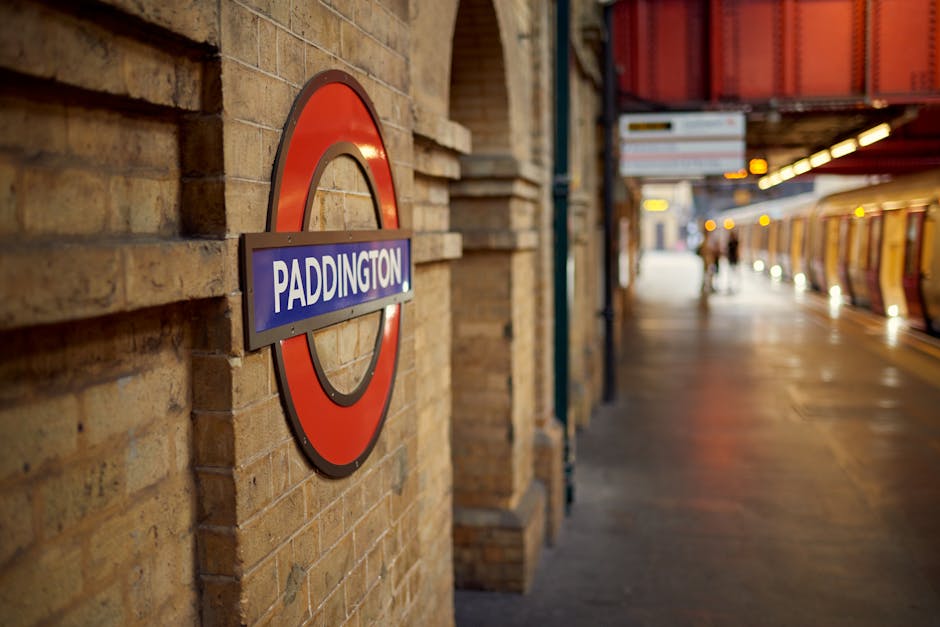
Why W2 Removals Guide: Best Practices for Paddington Postcode Matters
Paddington is not a place where you can assume a generic moving plan will work perfectly. W2 includes a mix of mansion blocks, converted flats, mews-style streets, office buildings, and busy residential roads. That means access can change from one property to the next. A smooth move depends on details: parking access, lift availability, stair width, loading restrictions, and the amount of handling your belongings need before they even reach the van.
If you skip those details, the day tends to get longer, noisier, and more expensive than expected. A small delay in W2 can ripple quickly, especially where traffic patterns and delivery access are tight. That is why a proper removals plan is not just a nice-to-have. It is the difference between a controlled move and a day spent improvising under pressure.
For many people, Paddington is also part of a bigger life change. Students are moving into their first London base, professionals are relocating closer to transport, and families are upgrading to more space. If that is you, our dedicated pages on flat removals in Paddington and house removals in Paddington can help you match the move type to the property you are dealing with.
Practical takeaway: in W2, the move itself is only half the job. The other half is planning around access, timing, and the physical layout of the property.
How W2 Removals Guide: Best Practices for Paddington Postcode Works
A good removals process in Paddington usually follows a simple sequence: assess the property, plan the load, choose the right vehicle and crew, protect the items, and time the move around local conditions. The process sounds obvious, but the value is in the detail. For example, a top-floor flat near a narrow stairwell may need extra packing time, while an office on a busier road may need a tighter arrival window and stronger coordination with building management.
In practice, the best approach starts with a realistic inventory. What needs moving? What needs dismantling? What is fragile, heavy, awkward, or time-sensitive? Once you know that, you can plan the vehicle size, packing materials, and lifting method more accurately. That is why services such as Paddington removal services and man with van Paddington options can be a sensible fit for local moves where flexibility matters more than a huge lorry.
Then there is the timing. In W2, moving early in the day often gives you a better chance of cleaner access and less road congestion. It is not a guarantee, of course, but it can reduce the amount of waiting around. If your move is urgent, a service such as same-day removals in Paddington may be worth considering, provided the scope is manageable and the move has been sensibly packed in advance.
One small but important point: removals in Paddington often benefit from a "measure twice, move once" mindset. Hallway widths, door frames, and lift dimensions can become the real bottleneck. Not the van. Not the traffic. The hallway. Funny how often that happens.
Key Benefits and Practical Advantages
When a W2 move is planned well, the gains are immediate. You save time, reduce physical strain, and avoid the kind of last-minute scrambling that usually leads to damaged furniture or unnecessary stress. And yes, it also makes the process feel much more manageable. Which, on moving day, is worth quite a lot.
- Less disruption: a planned move keeps neighbours, building staff, and your own schedule under control.
- Safer handling: good packing and loading reduce the chance of scratches, breaks, and heavy-lift injuries.
- Better value: fewer delays and fewer surprises usually mean better overall cost control.
- Improved access planning: local knowledge helps with parking, unloading, and route choice.
- More confidence: when you know what will happen next, the day feels far less chaotic.
There is also a hidden benefit: better decisions after the move. When everything is labelled properly and loaded in an organised order, unpacking becomes easier. You are not opening random boxes at 9pm looking for a kettle, which, let's face it, is a tiny tragedy in itself.
For people moving specialist or bulky items, the right support matters even more. A carefully handled piano, for instance, needs different preparation from a standard bedroom move. If that is part of your plan, take a look at piano removals in Paddington and furniture removals in Paddington for more tailored help.
Who This Is For and When It Makes Sense
This guide is for anyone moving within, into, or out of W2 who wants the job done properly. It is especially useful if you are dealing with one of the common Paddington move types below.
- Flat movers: ideal if you live in an apartment block, mansion flat, or converted period property.
- House movers: helpful where there is more furniture, more packaging, and more coordination.
- Students: useful for term-time moves, shared houses, and shorter relocation windows.
- Office teams: important for business relocations where downtime needs to stay low.
- Short-notice movers: handy where timescales are tight and flexibility matters.
It also makes sense for people who are unsure whether they need a full removal team or a smaller vehicle-based service. Paddington has plenty of moves where a van and an experienced handler are enough, especially for studio flats or partial moves. If you are weighing up options, the pages on man and van Paddington, removal van Paddington, and office removals in Paddington can help you compare more clearly.
And if you are still deciding whether you need storage as part of the process, that is not unusual. Sometimes the new place is not ready, sometimes keys are delayed, and sometimes you just need breathing room. In that case, storage in Paddington can be a practical bridge rather than a backup plan you hope you never use.
Step-by-Step Guidance
- Start with a room-by-room inventory. Write down furniture, boxes, appliances, and any awkward items. Be honest about volume. Most moving problems start with underestimating how much there is.
- Check access before move day. Look at stairs, lifts, parking, loading bays, and entry codes. If the property is on a tight street or in a busy stretch of W2, this step matters even more.
- Choose the right service type. A flat move, house move, office relocation, or same-day collection each needs a slightly different setup.
- Pack by priority and fragility. Put essentials in a separate "first-night" box. Wrap fragile items properly and label them clearly.
- Disassemble bulky furniture where sensible. Beds, tables, and wardrobes often move better in pieces. Keep screws and fittings in labelled bags.
- Confirm timing and parking arrangements. Even a short wait outside can throw the rest of the schedule off, especially in central London.
- Load in order. Heavy and sturdy items first, fragile items last, essentials easiest to reach. It sounds basic. It works.
- Do a final walkthrough. Check cupboards, loft spaces, under beds, and behind doors. People leave chargers, keys, and little items everywhere.
That last walkthrough is the bit many people rush, and it is usually the bit they regret. The house can look empty and still hide a surprising number of things. A loose remote. A folder of documents. Half a plant pot. The usual.
Expert Tips for Better Results
Here is where local experience really pays off. Paddington moves tend to go better when you think in terms of access, order, and weather. A rainy morning, for example, means wet pavements, heavier bags, and more care needed around polished floors. A bright dry day is easier, but still busy.
Keep your essentials separate
Pack passports, medication, chargers, keys, kettle items, and a change of clothes in one clearly marked bag. Not in a box. A bag you can grab quickly. This saves a lot of awkward digging later.
Use proper packing materials
It is tempting to use random supermarket boxes and a roll of tape from a kitchen drawer. Sometimes that works. Often it does not. Better quality packing materials help protect corners, glass, and electronics. For a deeper look at packing support, see packing and boxes in Paddington and packaging and boxes Paddington.
Be honest about awkward items
If you have a large mirror, a piano, a heavy sideboard, or a very old wardrobe that does not like being moved, say so early. The more honest the briefing, the better the outcome. No one enjoys discovering on the stairs that an item needs three people when only two turned up.
Think about timing around the local area
W2 is busy. Not just in a dramatic London way, but in a practical one. School runs, commuting windows, deliveries, and lunchtime traffic can all influence a move. If you can, build a little flexibility into the day. Even an extra 30 minutes can calm everything down.
Choose service levels carefully
Sometimes the best choice is a smaller, nimble setup. Other times, especially for larger homes or multiple rooms of furniture, a fuller removals service is better. The point is not to overbuy or underprepare. If you want a broad overview of what is available, the services overview is a good starting point.

Common Mistakes to Avoid
Most moving problems are preventable. That is the annoying part, really. The good news is that once you know the common mistakes, you can sidestep them fairly easily.
- Booking too late: dates fill up, especially around month-end and weekends.
- Ignoring access details: no one wants to discover a delivery restriction at the kerb.
- Poor labelling: unlabelled boxes slow unpacking and increase breakage risk.
- Overloading boxes: books and crockery are a bad mix in a giant box.
- Forgetting building rules: some properties need notice for lift use or loading access.
- Not checking insurance: ask how goods are covered during transit and handling.
- Leaving packing too late: the "I'll do it the night before" plan usually becomes a late-night ordeal.
There is also a more subtle mistake: assuming every moving company or van service will handle the same type of job equally well. They won't. Read the service scope carefully. If you are comparing providers, the removal companies in Paddington page can help you think through the difference between simple transport and a fuller move.
Tools, Resources and Recommendations
You do not need a giant toolkit to move well, but a few items make a real difference. Most of these are small and boring. That is exactly why they are useful.
- Strong boxes: use a mix of standard and small boxes so heavy items stay manageable.
- Packing paper and bubble wrap: ideal for glassware, dishes, and fragile decor.
- Labels and marker pens: simple but essential for room-by-room sorting.
- Furniture blankets: help protect wood, upholstery, and screens.
- Basic tools: screwdrivers, Allen keys, tape, scissors, and zip bags for fixings.
- Phone photos: take pictures of cable setups and furniture layouts before dismantling.
For people who want to understand service quality, support information matters too. You may want to review the company's insurance and safety page, especially if you are moving high-value items or planning a busy route. If you want to know more about the company background before booking, the about us page is also worth a look.
And if your move has a sustainability angle, such as reusing boxes or reducing waste, the company's recycling and sustainability information can be helpful. Small choices add up, especially when you are clearing out a whole flat.
Law, Compliance, Standards, or Best Practice
For most residential moves in Paddington, the key point is not legal complexity. It is responsible practice. That said, certain rules and expectations do matter. Building management may require advance notice, time slots for lifts, or protection for communal areas. Parking restrictions and access arrangements can also affect how smoothly a move happens. In London, those practical rules are often the difference between a tidy move and a frustrating one.
If you are moving business premises, you may also need to think about workplace risk controls, lift safety, and continuity planning so staff are not tripping over each other while boxes are moved. A good provider should be able to explain how they handle heavy lifting, fragile items, and access challenges in a way that feels sensible and transparent.
It is also reasonable to ask about terms, payment security, and complaints handling before you commit. Those pages are not glamorous, but they matter. Review payment and security, terms and conditions, and complaints procedure if you want a fuller picture of how things are managed. Good service should feel clear, not hidden behind tiny print.
Options, Methods, or Comparison Table
Different moves in W2 suit different approaches. The table below gives a practical comparison rather than a perfect rulebook. In real life, the best option depends on access, load size, urgency, and how much help you want on the day.
| Option | Best for | Strengths | Watch-outs |
|---|---|---|---|
| Man with van | Smaller flats, partial moves, lighter loads | Flexible, often efficient, good for local access challenges | May not suit large family homes or complex office moves |
| Removal van with extra support | Moderate moves with more furniture | Better capacity, more room for organised loading | Needs more careful planning around parking and access |
| Full removal service | Larger homes, specialist items, time-sensitive moves | Most hands-on support, helpful for heavy or awkward loads | Can be more involved to arrange |
| Same-day removal | Urgent or short-notice situations | Fast response, useful when plans change suddenly | Less ideal for large unprepared moves |
For a lot of Paddington residents, the sweet spot is a tailored local move rather than an oversized operation. Especially in tight streets or upper-floor flats. If that sounds familiar, the local service pages for man with a van Paddington and removals Paddington can help narrow the choice.
Case Study or Real-World Example
Imagine a one-bedroom flat near Praed Street. The resident has a bed frame, a desk, a sofa, three shelves, a TV, two bikes, and about twenty boxes that somehow became twenty-six. Classic. The building has a lift, but it is small. The street outside is busy in the morning. There is also the usual issue of parking that looks available until the second you need it.
In that situation, a good move starts with stripping the job back to the essentials. The bed frame is dismantled the day before. Boxes are grouped by room. The TV and electronics are packed separately. A photo is taken of the shelf hardware, because nobody wants to guess later. The collection is scheduled early enough to avoid the worst traffic window, and the route is checked in advance.
On the day, the team loads the heaviest items first and keeps fragile items protected at the back. The lift is used efficiently, but not hurried. There is a brief pause while a neighbour needs access, which is annoying but manageable because the timing had a little room built in. The whole thing is not magical. It is just well planned. And that is usually what makes the day feel easy.
If you want a more detailed local example of a tricky access move, the article on Praed Street flat moves and tight-stair removals in Paddington is a good companion read.
Practical Checklist
Use this checklist a few days before the move. It is simple, but it catches the things people forget when they are busy.
- Confirm moving date, collection time, and address details.
- Check parking or loading access near both properties.
- Notify building management if required.
- Measure awkward furniture and key doorways.
- Pack fragile items separately and label them clearly.
- Prepare a first-night bag with essentials.
- Disconnect appliances safely and allow time for defrosting if needed.
- Set aside tools for disassembly and reassembly.
- Keep valuables and personal documents with you.
- Review insurance, payment, and service terms before the day.
- Dispose of or recycle anything you do not want to move.
- Plan a simple refreshment break. Water, tea, something easy. Moving is strangely draining.
Expert summary: The best Paddington removals are built on three things: clear access planning, sensible packing, and realistic timing. Get those right and most of the stress disappears before the van even arrives.
Conclusion
A move in W2 does not need to feel chaotic. With the right preparation, a Paddington removal can be calm, efficient, and far more predictable than people expect. The key is to respect the local realities: narrow access, busy roads, varied building layouts, and the small but important details that make London moves unique.
Whether you are moving a flat, a family home, an office, or just a few bulky items, the smartest path is usually the simplest one: plan early, pack carefully, choose the right service, and leave enough breathing room on the day. That is really what good removals come down to. Not perfection. Just sensible decisions made in the right order.
If you are ready to plan your move or want tailored guidance for your exact situation, take the next step and speak with a local team that understands Paddington properly. A short conversation now can save a lot of hassle later.
Get a free quote today and see how much you can save.