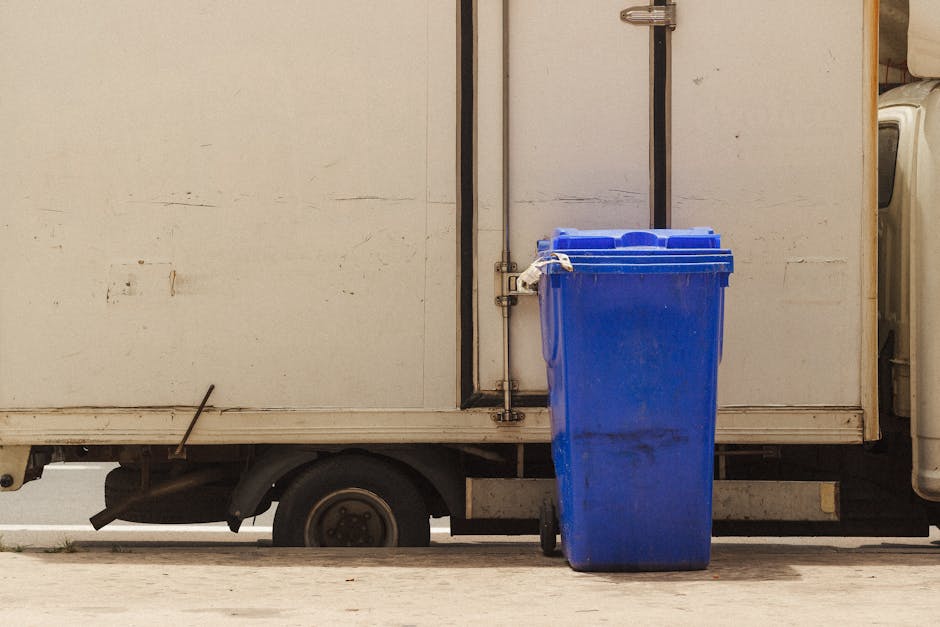
Hazardous Waste Disposal for Paddington Moves: Local Laws
Posted on 04/07/2026

Moving house in Paddington can feel busy enough without discovering a half-used tin of paint, an old bleach bottle, or a broken fluorescent tube tucked into the back of a cupboard. Then the question lands: what do you do with hazardous waste when you are moving, and what do the local rules actually expect from you? This guide to Hazardous Waste Disposal for Paddington Moves: Local Laws explains the practical side in plain English, so you can stay safe, stay compliant, and avoid the kind of last-minute mess that turns a moving day into a headache.
To be fair, a lot of people only think about waste once the boxes are already stacked by the door. That is when mistakes happen. Some items are banned from normal household bins, some need special handling, and some should never be loaded into a van without proper preparation. Below, you will find a clear breakdown of what counts as hazardous waste, how disposal typically works in a Paddington move, what compliance looks like in practice, and the steps that make the whole job much smoother.
Why Hazardous Waste Disposal for Paddington Moves: Local Laws Matters
Hazardous waste is not just a "special bin" issue. During a move, it becomes a safety issue, a legal issue, and honestly, a logistics issue too. A leaking bottle of cleaning fluid can stain furniture or cardboard. Batteries can short-circuit. Old aerosols can burst if crushed. Paint and solvents can create fumes in a closed removal van. None of that is ideal when you are trying to get out of a flat near Praed Street or down a narrow staircase with time ticking away.
Local rules matter because moving generates a lot of transitional waste. You are sorting cupboards, clearing utility rooms, and making quick decisions about things you have not touched in years. That is exactly when people accidentally mix hazardous items with general rubbish. In London, and in busy inner-city areas like Paddington, there is also a practical reality: waste left outside, poorly packed, or dumped in the wrong place can create problems for neighbours, building managers, and the removal team.
If you are already thinking about a move, it helps to look at the bigger picture. A well-planned move is not just about transport. It is about safe disposal, responsible packing, and avoiding last-minute storage chaos. If you need background on move planning, the company's services overview and recycling and sustainability approach are useful places to start. They give a sense of how waste handling fits into the wider moving process.
Key point: hazardous waste should be identified before move day, separated early, and disposed of through the right route. The earlier you do that, the less likely you are to end up with delays, damage, or fines. Simple enough in theory. Not always simple in practice.
How Hazardous Waste Disposal for Paddington Moves: Local Laws Works
In everyday terms, hazardous waste is anything that can harm people, property, or the environment if it is thrown away like regular rubbish. The exact categories can vary by item type, packaging, and condition, but during a move the usual suspects are fairly predictable.
- Paint, varnish, thinners, and solvents
- Household chemicals such as bleach, ammonia-based cleaners, and drain products
- Batteries, especially damaged or leaking ones
- Fluorescent tubes and certain bulbs
- Aerosols, pressurised cans, and gas canisters
- Medicines and sharps, where applicable
- Fuel, oils, and automotive fluids
- Adhesives, resins, and strong cleaning products
How it works in practice is usually a combination of sorting, safe packing, and using the right disposal route. Some items can be taken to authorised collection points, some may need a special council process, and some are best handled by a licensed waste carrier or specialist disposal service. What you should never do is assume that a product's small size makes it harmless. A tiny bottle can still cause a lot of trouble.
For Paddington moves, there is also the question of vehicle access. If you are using a man with van Paddington style service, the load needs to be stable, clearly separated, and safe to transport. Hazardous items should not be tossed in with loose boxes, blankets, or soft furnishings. That is not just untidy; it can become dangerous very quickly.
Another practical point: some moves are completed in a rush, especially where leases are ending or completion dates have shifted. If that sounds familiar, same day removals Paddington can be useful for the ordinary part of the move, but hazardous waste still needs its own plan. Speed and compliance do not always move at the same pace.
Key Benefits and Practical Advantages
Good hazardous waste handling does more than keep you on the right side of the rules. It also makes the move easier to manage. A lot easier, in fact.
- Reduced safety risk: you avoid spills, fumes, cuts, burns, and accidental mixing of incompatible materials.
- Cleaner packing: boxes stay usable, and your belongings are less likely to be contaminated.
- Less moving-day stress: you are not deciding at 7:30 a.m. what to do with a cracked solvent tin.
- Better building compliance: landlords, managing agents, and neighbours are less likely to complain about abandoned items.
- Lower chance of fines or collection issues: improper disposal can trigger enforcement problems or extra charges.
- More efficient van loading: when hazardous items are already separated, the rest of the load goes in faster and more safely.
There is also a quieter benefit: peace of mind. If you have ever stood in the hallway with half-packed boxes, a kettle still plugged in, and a mystery cupboard full of old batteries, you will know the feeling. Clear the hazard items early and the whole property feels lighter. Less clutter. Less panic.
If your move involves heavier household items as well, you may also find it helpful to read about furniture removals Paddington and house removals Paddington, because hazardous waste often gets discovered while clearing large units, storage cupboards, or fitted furniture. That is where a lot of surprise bottles live, apparently.
Who This Is For and When It Makes Sense
This topic matters to more people than you might think. It is not only for landlords, office managers, or people clearing a garage full of old tins. If you are moving in Paddington, there is a decent chance you will deal with at least one hazardous item.
- Home movers: people leaving flats, maisonettes, and family homes with leftover cleaning products or DIY waste.
- Students: tenants moving out of shared accommodation with batteries, broken electronics, or cleaning products left from term-time living. The student removals Paddington page is useful for broader move planning.
- Flat movers: residents in buildings with tight corridors, lifts, and building rules, especially where waste needs to be carried discreetly. See flat removals Paddington for related move considerations.
- Office movers: businesses disposing of printer toner, chemicals, old batteries, or confidential but contaminated materials. office removals Paddington may be relevant for the transport side.
- People moving under time pressure: eviction move-outs, completion-day moves, and urgent handovers where waste decisions get rushed.
It also makes sense if you are downsizing, clearing storage, or preparing a property for sale or rental. Paddington is a busy, tightly packed part of London, so the practical question is not simply "where can I put this?" It is "where can I put this safely, legally, and without turning the pavement into a problem?"
For a wider view of moving and property decisions in the area, the articles on whether Paddington is a good home and buying smart in Paddington can be helpful context. They are not about waste directly, but they do show the kinds of homes and move patterns people deal with here.
Step-by-Step Guidance
Here is the part people usually want first: the actual process. Keep it simple, and do it in the right order.
- Walk through the property room by room. Look in under-sink cupboards, utility areas, bathrooms, wardrobes, sheds, and balconies. Hazardous items hide in ordinary places.
- Separate hazardous items from normal rubbish. Do not mix them into general black bags. Keep paint, batteries, aerosols, and chemicals apart where possible.
- Check labels and condition. If a container is damaged, leaking, rusted, or bulging, treat it with extra care. Leave it upright and away from heat.
- Decide the disposal route. Some items may be suitable for a specialist collection or an authorised facility; others may need separate handling. If you are unsure, do not guess.
- Pack safely for transport. Use original containers where possible. Keep lids secure. Place items in a rigid box or tray so they cannot tip over.
- Tell the removal team in advance. If you are using a man and van Paddington service, hazardous waste should be disclosed clearly before loading. Surprises on the driveway are not fun for anyone.
- Keep documents or notes where relevant. If a specialist disposal or waste transfer process is used, retain any proof you are given.
- Do a final sweep before handover. Check cupboards, shelves, behind appliances, and loft or storage spaces. People forget more than they think.
A small but useful rule: if you would not be comfortable opening the container in a warm van, it probably needs extra care. That sounds obvious, but it saves mistakes.
Expert Tips for Better Results
Experience teaches a few things that are not always obvious on paper. These are the sort of habits that make hazardous waste disposal easier during a move.
- Start with the cleaning cupboard. It is often the most hazardous area in a flat and the easiest to overlook.
- Separate batteries by type if you can. Used batteries should be handled carefully, especially if they are corroded or swollen.
- Keep liquid products upright. This is simple, but moving vans bounce and tilt more than people expect on London roads.
- Do not overfill bags or boxes. Heavy chemical bottles can burst through weak cardboard. Use a stronger container.
- Label boxes clearly. A marker pen and a few minutes now can prevent a messy unpacking later.
- Plan waste disposal before packing the rest. If hazardous items are sorted first, the rest of the move becomes calmer. Much calmer.
One thing we often see in tighter Paddington moves is people packing everything first and asking questions later. That works for jumpers and books. Not so much for solvents and aerosols. The better route is to deal with the risky items early, while there is still space to breathe.
If your move is being handled alongside fragile or specialist items, it can help to coordinate with piano removals Paddington or similar careful transport services where precision matters. Different item, same principle: plan before lifting.

Common Mistakes to Avoid
Most hazardous waste problems come from rushed assumptions, not bad intentions. That is the honest truth. Here are the mistakes that create the most trouble.
- Putting chemicals into general rubbish. Even small containers can create problems if crushed or leaked.
- Mixing incompatible substances. Never combine cleaners, solvents, or unknown liquids together just to "save space".
- Leaving items in sunlight or near heaters. Heat can increase pressure inside sealed containers.
- Forgetting about hidden waste. Batteries in drawers, old paint in cupboards, and broken bulbs in storage boxes are classic misses.
- Assuming the van company will handle it automatically. Removal teams can move things safely, but they are not a replacement for proper disposal planning unless that arrangement is explicitly agreed.
- Waiting until moving day. That is where people get stuck. And stressed. And mildly cross with themselves.
There is also a social side to this. In apartment blocks, waste left in communal areas can inconvenience neighbours very quickly. A neighbour walking past a cracked bottle or leaking bag is not going to be impressed. Nobody enjoys that phone call to the building manager at lunchtime.
If access is already awkward, have a look at tight stair removals in Paddington and small van strategies for blocked access. Those articles are useful for the moving side of the job, especially where hazardous items need a little extra care going out.
Tools, Resources and Recommendations
You do not need fancy kit for most household hazardous waste sorting, but a few practical tools make the process safer and less chaotic.
- Thick marker pen: for labelling boxes, lids, and warning notes.
- Rigid plastic tray or tub: useful for bottles that may leak during transport.
- Strong tape: to secure lids and stabilise containers, where appropriate.
- Disposable gloves: helpful when handling dusty, leaking, or dirty containers.
- Old towels or absorbent cloths: useful beneath suspect bottles, but keep them separate from clean linens.
- Sealable bags for small items: handy for batteries, bulbs, and minor sharp items where safe and suitable.
In terms of recommendations, the smartest approach is usually this: identify items first, seek disposal guidance early, and use a removal service that understands safety as part of the job. If you are comparing moving help, the pages on removal services Paddington, removal companies Paddington, and removals Paddington can help you think through the wider move structure.
For people who need secure short-term holding while they sort out disposal or a staggered move, storage Paddington may also be useful. Just remember that hazardous items should be stored safely and lawfully, not tucked away and forgotten. Forgotten waste has a habit of reappearing at the worst moment.
Law, Compliance, Standards, or Best Practice
Hazardous waste rules are not something to freestyle. In the UK, the broad expectation is that waste is identified, handled safely, and passed to an appropriate disposal route. For households, that usually means using accepted local collection or authorised disposal channels rather than putting hazardous items into general domestic waste.
For movers in Paddington, the practical compliance standard is straightforward: do not place hazardous material where it can harm people, spill in transit, or be left in a way that creates nuisance or risk. If a waste carrier or specialist disposal service is involved, make sure the arrangement is suitable for the item type and the condition of the waste.
Best practice also means keeping clear separation between normal removals and waste disposal. A removal team may carry your furniture, boxes, and personal items, but hazardous waste should be declared clearly before the move. That matters for packing method, load order, and driver safety. It also matters for insurance and general responsibility if something goes wrong.
There is one more thing people sometimes overlook: building rules. Leaseholders, renters, and office tenants can be subject to specific requirements about waste left in communal areas, service yards, or near entrances. If you are working in a managed building, check the move-in/move-out instructions before you start dragging bags downstairs at 8 p.m. The porter or building manager will appreciate it. Probably.
If you want a fuller picture of how a professional moving business approaches safe jobs, the health and safety policy and insurance and safety guidance are useful to review. They help set expectations around careful handling, safe loading, and risk awareness.
Options, Methods, or Comparison Table
There is no single best route for every item. The right option depends on the type of hazardous waste, how much you have, and how quickly you need it gone. Here is a practical comparison.
| Method | Best for | Pros | Watch-outs |
|---|---|---|---|
| Separate household sorting before the move | Small volumes of batteries, aerosols, and cleaners | Cheap, tidy, easy to plan around packing | Still needs the right disposal route; do not assume normal bins are fine |
| Specialist collection or authorised disposal | Paint, solvents, oils, and larger or mixed hazardous items | Safer for awkward products and better for compliance | May require advance booking and clearer item descriptions |
| Removal team transport plus separate disposal plan | Moves where hazardous waste is discovered late | Useful when timelines are tight and the rest of the move must continue | Needs careful communication so the team knows what is being moved |
| Storage first, disposal later | Moves split across dates or handover delays | Buys time if you are not ready to decide immediately | Hazardous items must be stored safely; not a permanent solution |
If you are trying to choose between transport options, a straightforward man with a van Paddington setup can suit smaller moves, while removal van Paddington transport may suit larger loads. The right choice depends on volume, access, and how much sorting you have already done. Simple, but not simplistic.
Case Study or Real-World Example
Imagine a one-bedroom flat move off the W2 side of Paddington. The tenant has already packed books, clothing, and kitchenware. On the final sweep, three things appear: half a tin of white emulsion, a box with old batteries, and a cracked aerosol can from the cleaning cupboard. Nothing dramatic, but enough to create uncertainty.
Instead of throwing everything into a bin bag and hoping for the best, the tenant separates the items immediately. The paint tin is left upright and sealed where possible. Batteries go into a small labelled container. The aerosol is kept away from heat and heavy boxes. The removal team is told in advance, so the hazardous items are not mixed into the main load by accident.
On moving day, the furniture and boxes are loaded first. The hazardous items are handled separately and no one is caught off guard halfway down the stairwell. The flat is handed back clean, the building manager has no complaint about waste left in the corridor, and the tenant can breathe again. Not a glamorous story, granted, but that is exactly the sort of thing that makes a move go well.
That is the point, really. Good disposal decisions are rarely flashy. They simply prevent trouble. And sometimes that is worth more than a clever shortcut.
Practical Checklist
Use this checklist in the days before your move. It is short on purpose.
- Check under sinks, in bathrooms, and in utility cupboards for chemicals or aerosols.
- Separate batteries, bulbs, paint, solvents, oils, and medicines from normal rubbish.
- Keep containers sealed, upright, and clearly labelled.
- Do not mix different liquids together.
- Do not place hazardous waste in communal bins or leave it in shared hallways.
- Tell your removal team if hazardous items may be present.
- Decide early whether items need specialist disposal, authorised collection, or separate storage.
- Keep a note of any disposal or transfer paperwork you receive.
- Do a final property sweep before keys are handed over.
- Review moving support, packing help, and timing options before moving day arrives.
If you still have questions about timing or service fit, have a look at packing and boxes Paddington and package and boxes Paddington for practical packing support. They are simple pages, but that sort of support matters more than people expect when the flat is half empty and the kettle has already been unplugged.
Conclusion
Hazardous waste disposal during a Paddington move is one of those tasks that feels small until it suddenly is not. A few neglected items can slow down packing, create safety risks, and cause avoidable stress at the worst possible moment. The good news is that most of the job comes down to a few sensible habits: sort early, label clearly, keep risky materials separate, and choose the right disposal route before moving day gets too close.
That is the heart of Hazardous Waste Disposal for Paddington Moves: Local Laws. Not drama. Just careful, practical decision-making in a busy part of London where space is tight and time matters. If you take nothing else from this guide, take this: deal with the hazardous items first, and the rest of the move becomes much easier to manage.
Get a free quote today and see how much you can save.
If you want to learn more about the team behind the move, take a moment to read the about us page or get in touch through the contact page when you are ready. Sometimes a quick conversation clears up more than an hour of guesswork. And that, honestly, can be a relief.